Understanding Accessible Garment Dressing Tools for Lower Body Independence
- william vanacore
- Aug 14
- 3 min read


What Are Accessible Garment Dressing Tools?
Accessible garment dressing tools are devices designed to help people put on and take off lower body clothes. These tools are made for people who have trouble bending, reaching, or using their hands fully. They help reduce the effort and frustration of dressing.
Some common types of these tools include:
Dressing sticks: Long sticks with hooks or knobs to pull clothes up or down.
Sock aids: Devices that hold socks open so you can slide your foot in without bending.
Pants pullers: Tools that help pull pants up without needing to bend over.
Button hooks: Tools that help fasten buttons on pants or skirts.
These tools are simple but effective. They give people more control over their dressing routine. Using them can save time and energy.

How Accessible Garment Dressing Tools Help
These tools are designed to solve common problems. For example, bending down to put on pants can be hard for people with back pain or limited hip movement. Using a pants puller or dressing stick can make this easier.
Here are some ways these tools help:
Reduce bending and stretching: Tools extend your reach.
Improve grip: Hooks and handles make it easier to hold clothes.
Save time: Dressing becomes quicker and less frustrating.
Increase independence: You can dress yourself without help.
I have seen how these tools can change daily routines. They help people feel more confident and less dependent on others.
Choosing the Right Accessible Garment Dressing Tools
Picking the right tool depends on your needs and abilities. Here are some tips to help you choose:
Assess your mobility: Can you bend, reach, or grip well? Choose tools that match your abilities.
Consider the type of clothing: Different tools work better for pants, skirts, or socks.
Look for lightweight and easy-to-use designs: Heavy or complicated tools can be hard to handle.
Try before you buy: If possible, test tools to see what feels comfortable.
For example, if you have trouble bending but can use your hands well, a pants puller or dressing stick might be best. If gripping is difficult, look for tools with ergonomic handles.
How to Use Lower Garment Dressing Aids Safely and Effectively
Using these tools correctly is important. Here are some simple steps to follow:
Sit down while dressing: This reduces the risk of falling.
Use a stable chair or bench: Make sure it won’t move.
Follow the instructions for each tool: Each device works a little differently.
Take your time: Don’t rush the process.
Ask for help if needed: It’s okay to get assistance when learning.
For example, when using a sock aid, place the sock over the device, slide your foot in, and pull the handles up slowly. This method avoids bending and stretching.
If you want to explore more about these helpful devices, check out this link to lower garment dressing aids.
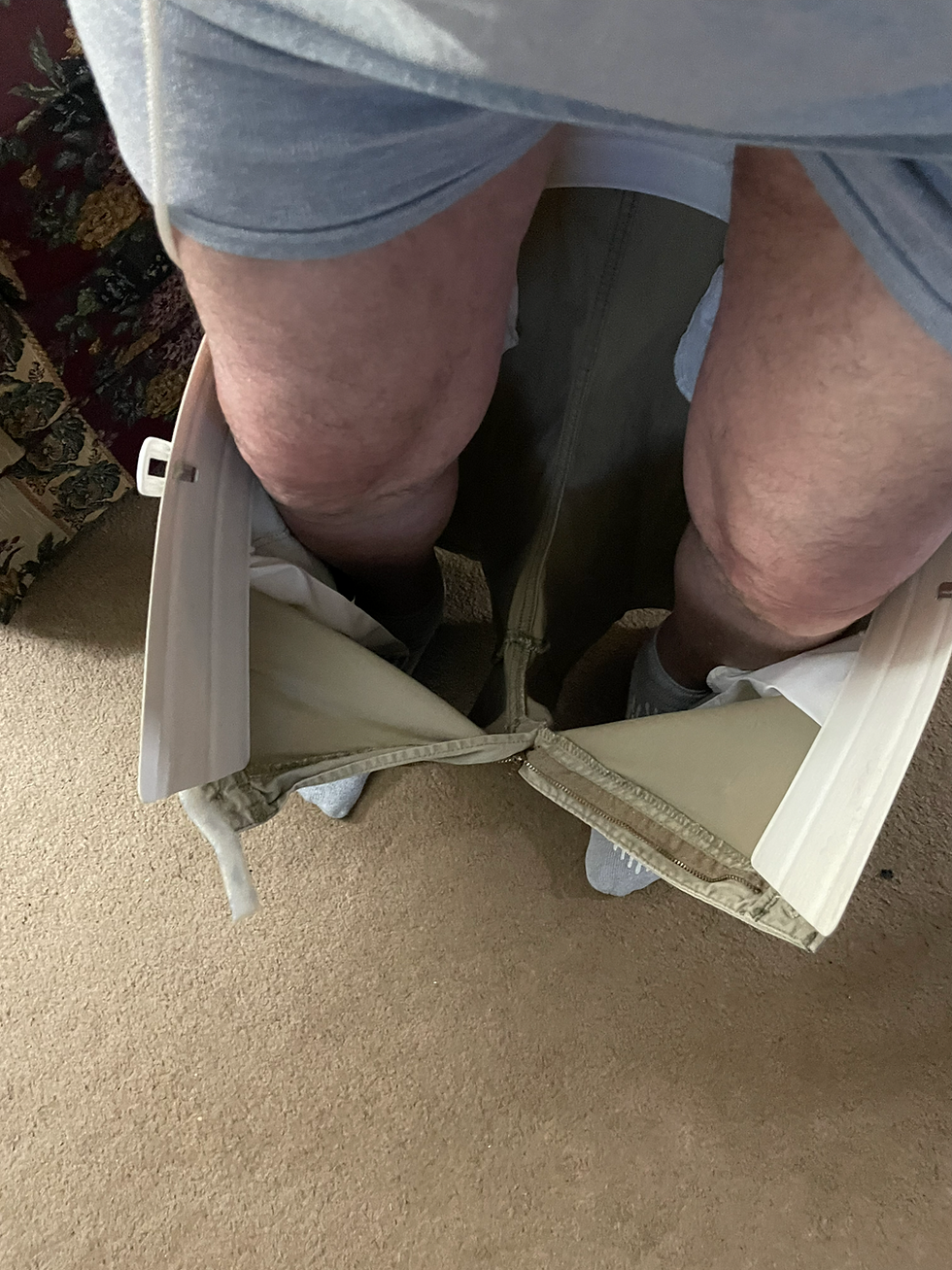
Benefits of Using Accessible Garment Dressing Tools Every Day
Using these tools regularly can improve your quality of life. Here are some benefits:
More independence: You can dress yourself without waiting for help.
Better safety: Less bending means fewer falls or injuries.
Increased confidence: Doing things on your own feels good.
Saves energy: Dressing takes less effort.
Improves routine: Dressing becomes a smoother part of your day.
Many people find that these tools help them keep their dignity. They don’t have to rely on others for basic tasks. This can make a big difference in how they feel each day.
Tips for Maintaining and Caring for Your Dressing Tools
To keep your tools working well, follow these simple care tips:
Clean them regularly: Wipe with a damp cloth to remove dirt.
Check for damage: Look for cracks or loose parts.
Store in a safe place: Keep tools where you can easily find them.
Replace worn parts: Some tools have replaceable handles or hooks.
Follow manufacturer instructions: This helps tools last longer.
Taking care of your tools means they will be ready when you need them. It also keeps you safe while using them.
Final Thoughts on Accessible Garment Dressing Tools
Accessible garment dressing tools are practical helpers. They make dressing easier and safer. Using these tools can restore independence and confidence. If you or someone you know struggles with dressing, consider trying these devices. They are affordable and simple to use.
Remember, the right tool can make a big difference. Take your time to find what works best for you. Dressing should be a part of your day that feels good, not frustrating. These tools are here to help you achieve that.
Empower yourself with accessible garment dressing tools and enjoy the freedom to dress independently every day!


Comments