Dressing Aid Reviews for Seniors: What to Know

Table of Contents
Dressing Aid Reviews for Seniors: What Actually Works
Last Updated: October 16, 2026

Most dressing aid reviews for seniors read like catalog copy, features, stars, and no answer to the question that matters: will this work for my hands, my hips, my morning?
A dressing aid is any adaptive tool that helps a person put on, fasten, or adjust clothing without bending, reaching, or gripping beyond their current ability.
The 5 tool categories we cover below each solve a different problem. Buy for the problem, not the product photo.
How We Evaluated These Dressing Aids
We judged each category on four criteria: how much bending or reaching it removes, how well it works with reduced grip, how stable it feels, and how easy it is for a caregiver to set up and clean.
A common mistake is buying the most popular tool rather than the one matching your restriction. A sock aid is useless if your hands cannot grip the cords; a dressing stick is useless if balance, not reach, is the problem. Match the limitation first.
Key Takeaway The right dressing aid removes the one movement you cannot safely perform. Everything else is secondary.
Sock Aid vs Dressing Stick: Which One Do You Need?
A sock aid is a curved plastic shell with cords or handles that holds a sock open so you can slide your foot in without bending. A dressing stick is a long rod with hooks, loops, and notches, used to pull clothing up, push sleeves through, or retrieve items from the floor. If socks are the struggle, choose a sock aid; if reaching is, choose a dressing stick. Many people eventually need both.
When a Sock Aid Makes More Sense
Choose a sock aid when bending to your feet is the hard part, best for hip or back restrictions, or anyone told to avoid bending forward.
The limitation: sock aids require enough hand strength to pull the cords and enough balance to stay seated while you do it. If grip is your main issue, a sock aid with long handles may frustrate you more than help.
When a Dressing Stick Wins
A dressing stick wins when reaching is the problem, letting you pull up pants, push an arm through a sleeve, or hook a shoe from a seated position. The best designs have a hook on one end and a push notch on the other, so one tool handles several jobs.
Where it falls short: a dressing stick does nothing for socks, and it demands some shoulder mobility. If raising your arm is painful, a stick may not help much.
Tool | Best For | Main Limitation | Caregiver Helpful? |
Sock aid | Bending restrictions, socks | Needs grip and balance | Sometimes |
Dressing stick | Reaching limits, pulling clothes up | No help with socks | Rarely |
Button hook | Shirt and blouse buttons | Small buttons only | Sometimes |
Zipper pull | Zippers on backs and legs | Not for stuck zippers | Rarely |
Lower-garment aid | Pants and skirts | One garment type | Sometimes |
Pants Dressing Aid: Solving the Hardest Part of Getting Dressed

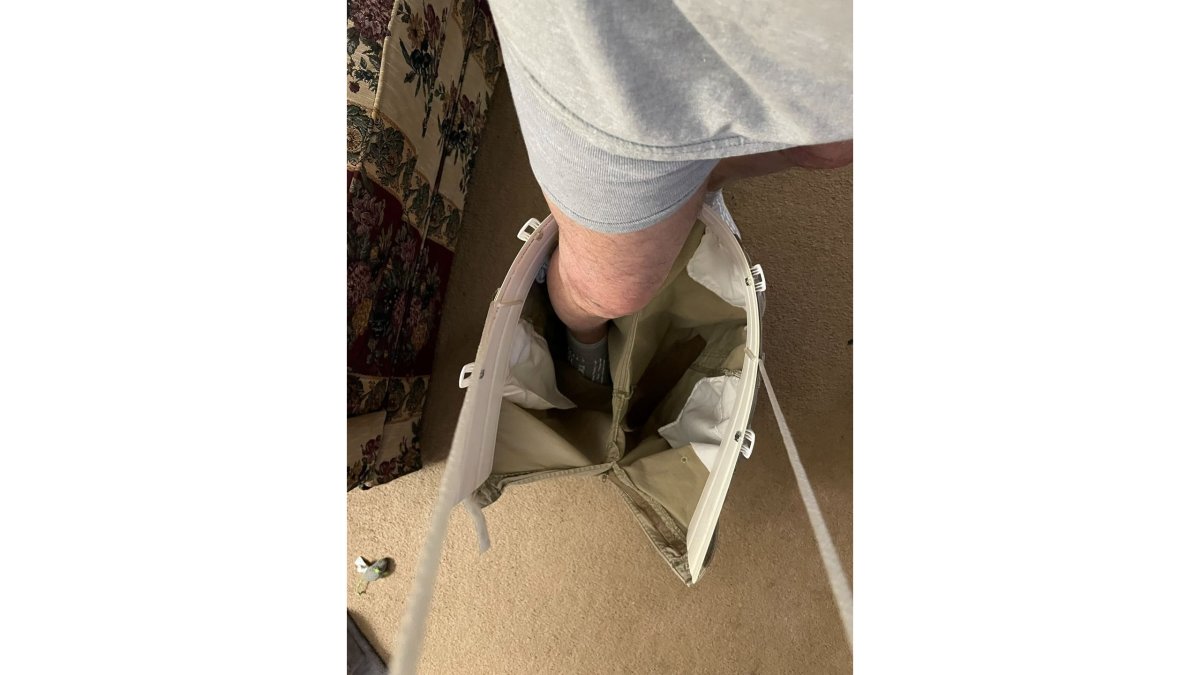
Pants are the hardest garment for most people with mobility limits: socks are fiddly, but pants require bending, balancing, and pulling at once.
What most guides miss is that pants aids fail for one reason: fit. A tool that does not match your waist width will slip, twist, or force you to bend anyway. Pants Aid comes in small, medium, and large, with custom sizing available on request, so the tool matches the body rather than the other way around.
Watch Out Buying a one-size lower-garment aid is the most common reason people abandon the tool within a week. If it slips while you step in, you will bend to fix it, which defeats the purpose.
Dressing Aids After Hip Replacement: What to Use During Recovery
Recovery rules change which tools you can use. After hip replacement, most surgeons and occupational therapists restrict bending past a certain angle, often for several weeks.
The practical setup for recovery looks like this:
Sit on a firm chair or the edge of the bed, never a soft sofa that lets you sink and twist
Lay out clothes within arm's reach before you start, so you are not reaching across the bed or down to the floor
Use a dressing stick for shirts and a lower-garment aid for pants, keeping the stick's hook end ready for sleeves and the push notch for waistbands
Use a sock aid for socks, and a long-handled shoehorn for shoes, both let you stay seated
Keep a reacher nearby for anything that drops, so you never bend to retrieve it
A common pattern after hip replacement is feeling steady enough to skip the aids before a therapist has cleared you to bend. The restriction window matters more than how you feel on a given morning.
What Changes After Shoulder or Back Surgery
The same logic applies to other recoveries, but the tool changes with the restriction. After shoulder surgery, a dressing stick and button hook become the priority because they let you dress without raising the operated arm. After back surgery, sock aids and lower-garment aids matter most because they remove forward bending. A reacher covers anything that falls.
When to Ask an Occupational Therapist
Occupational therapists are the right people to confirm which movements your surgeon has restricted and which tools fit those limits. Ask before you buy, not after. If your therapist has mentioned a dressing aid, that is a strong signal it is worth having on hand before you need it. If you are recovering without therapist involvement, start with the tool that removes your single most painful or unsafe movement, then add others only if the first leaves a gap.
Watch Out Do not assume a tool that worked before surgery will work during recovery. A dressing stick you used for reach may now put your shoulder in a position your surgeon has restricted. Match the tool to the current restriction, not the old routine.
Key Takeaway The goal during recovery is not to dress faster. It is to dress without breaking the movement rules your surgeon or therapist has set.
Adaptive Dressing Tools for Limited Mobility: Matching the Tool to the Need
Adaptive dressing tools for limited mobility only work when they match the specific limitation. Two people with the same diagnosis can need completely different tools. Start by naming the movement that has become unsafe or painful, then choose the tool that removes it.
Weak Grip or Arthritis in the Hands
When grip is the problem, choose tools with large handles, textured grips, or loops you can slide a hand through rather than squeeze. Button hooks with thick handles beat thin metal ones. Zipper pulls with a ring are easier than small tabs. Avoid anything that requires a pinch.
Balance Problems and Bending Restrictions
When balance is the problem, choose tools you can use entirely while seated, with no standing or leaning. Lower-garment aids and sock aids both work seated. Avoid anything that asks you to stand on one leg. A caregiver standing by helps, but a stable tool reduces how much support you need.
Limitation | Best Tool | Why It Fits |
Weak grip | Thick-handled button hook | No pinching needed |
Bending restriction | Lower-garment aid | Step in while seated |
Poor balance | Sock aid, seated use | No standing required |
Limited reach | Dressing stick | Extends your arm |
Dressing Aid Reviews for Seniors: Safety, Fit, and Caregiver Tips
Safety and fit decide whether a dressing aid gets used or sits in a closet. Check three things before you buy: does it hold steady, does it match your body size, and can you clean it easily? A tool that wobbles or slips pushes you back toward the unsafe movement you were trying to avoid.
Fall-Risk Reduction During Dressing
Most dressing injuries happen during the transition between sitting and standing, or when someone reaches for a dropped item. A few habits reduce that risk:
Dress while seated on a firm surface with armrests if possible, so you have something to push against
Keep the floor clear of cords, rugs, and clothing you have already removed
Place the dressing aid within reach before you sit down, not after
Use a reacher for anything that falls rather than bending or leaning
Avoid dressing in a bathroom where hard floors and tight spaces leave no room for a chair
Fit: Why Sizing Matters More Than Brand
A tool that does not match your body size will slip, twist, or force you to bend anyway. For lower-garment aids, waist width matters most.
If you have tried a generic aid and given up, sizing is usually the culprit. Pants Aid comes in small, medium, and large, with custom sizing available on request, so the tool matches the body rather than the other way around.
Caregiver Setup, Cleaning, and Storage
For caregivers, setup matters as much as the tool. Lay clothes out the night before, keep the aid within reach of the bed or chair, and store it where the person can grab it without help, independence is the whole point.
Cleaning routines vary by material:
Wipe plastic and metal parts with a mild cleaner and let them dry fully before storage
Check cords on sock aids for fraying or stiffness, and replace the aid if the cords lose their shape
Inspect straps, hinges, and moving parts on lower-garment aids for cracks or looseness
Store aids upright or hanging rather than in a drawer where they can be bent or crushed
Aids stored out of sight get forgotten. Keeping the tool visible and within arm's reach of where dressing happens is the most reliable way to keep it in use.
Pro Tip If a parent or spouse resists using a dressing aid, involve them in choosing it. People use tools they picked themselves far more often than tools chosen for them.
Pants Aid was designed around this idea: one simple tool, sized to the person, so stepping into clothes stops being a daily struggle. We offer small, medium, and large sizes, with custom sizing available on request, because fit is what makes the difference between a tool that helps and one that frustrates.
Frequently Asked Questions
What is the difference between a sock aid and a dressing stick?
A sock aid is a curved plastic or fabric trough with cords that holds a sock open so you can slide your foot in without bending. A dressing stick is a long handled tool with hooks and notches used to pull up pants, push off sleeves, or grab clothes. Many people with limited mobility end up using both, because each dressing aid solves a different part of getting dressed.
Can a dressing aid help after hip replacement surgery?
Yes. After hip replacement, bending past 90 degrees and reaching toward your feet is often restricted, so sock aids, long-handled reachers, and a pants dressing aid let you dress without breaking those limits. Check with your occupational therapist or surgeon about which movements to avoid, and ask them to watch you use each tool before you rely on it alone.
How do you choose the right dressing aid?
Start with the specific movement that is hardest: bending to your feet, gripping small fasteners, or pulling fabric over your hips. Balance problems point to seated tools with long handles, weak grip points to larger, textured handles, and limited reach points to reachers and dressing sticks. Fit matters too, so look for adjustable or sized options rather than one-size-fits-all designs.
What dressing aid helps someone pull up pants?
A pants dressing aid, sometimes called a garment glider or lower garment aid, lets you step into trousers while seated or standing and pull them up without bending or straining. Look for one that matches your waist size, since a loose or oversized tool slips and a tight one is hard to thread. Sizes and custom fitting options vary, so check the maker's sizing guide before ordering.
Getting dressed should not be the hardest part of your morning. If bending, balancing, or reaching has turned a simple routine into a chore, Pants Aid offers a lower-garment dressing aid built to remove the strain. It comes in three sizes with custom sizing available on request, helps you step into clothes without bending, and restores the independence and dignity that daily routines deserve. Get started with Pants Aid and make getting dressed easier again.

Comments