Advancements in Dressing Technology Innovations
- william vanacore
- Jul 7
- 4 min read

Getting dressed can be a challenge for many people. This is especially true for seniors and individuals with disabilities who need extra help. Thankfully, new dressing technology innovations are making it easier to get dressed independently. These tools and devices help people put on clothes with less effort and more dignity. I want to share some of the latest advancements in this area. These innovations can change daily routines and improve quality of life.
Dressing Technology Innovations That Make a Difference
Dressing technology innovations have come a long way. They focus on making clothes easier to wear and easier to manage. Here are some examples:
Magnetic Closures: Instead of buttons or zippers, some clothes now use magnets. Magnets snap together quickly and easily. This helps people who have trouble with small fasteners.
Velcro Straps: Velcro is still popular because it is simple to use. It replaces buttons and zippers on many adaptive clothes.
Elastic Waistbands: Pants and skirts with elastic waistbands are easier to pull on and off. They do not require buttoning or zipping.
Open-Back Shirts: These shirts open in the back with Velcro or magnets. They are easier to put on while sitting or lying down.
Slip-On Shoes: Shoes with stretchy openings or no laces help people put on footwear without bending or tying.
These innovations reduce frustration and save time. They also help people keep their independence. When you can dress yourself, you feel more confident and in control.
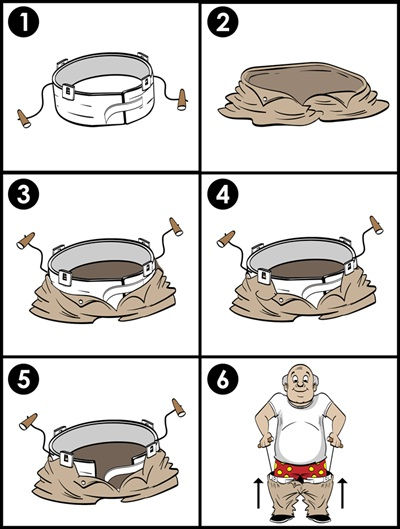
How Assistive Dressing Technology Supports Independence
One important part of dressing technology innovations is assistive dressing technology. This technology includes tools and devices designed to help people put on and take off clothes. Here are some examples:
Dressing Sticks: Long sticks with hooks or clips help pull clothes over the head or legs.
Button Hooks: These tools help fasten buttons without using fingers.
Sock Aids: Devices that hold socks open so you can slide your foot in easily.
Zipper Pulls: Attachments that make zippers easier to grip and pull.
Reachers and Grabbers: Tools that help pick up clothes or reach difficult areas.
These tools are simple but very effective. They allow people to dress without needing help from others. Using these devices can restore dignity and make daily routines smoother.

Does insurance cover adaptive clothing?
Many people wonder if insurance covers adaptive clothing or assistive dressing devices. The answer depends on the insurance plan and the type of product. Here are some key points:
Medicare: Generally, Medicare does not cover adaptive clothing. However, it may cover some assistive devices if prescribed by a doctor.
Medicaid: Coverage varies by state. Some Medicaid programs cover certain adaptive clothing or dressing aids.
Private Insurance: Some private plans may cover assistive devices but rarely cover clothing.
Veterans Benefits: Veterans may have access to adaptive clothing or devices through VA programs.
It is important to check with your insurance provider. Ask about coverage for specific items like dressing sticks or sock aids. Sometimes, a doctor’s note or prescription can help get coverage. If insurance does not cover these items, many affordable options are available online or in stores.
Practical Tips for Choosing Dressing Technology Innovations
Choosing the right dressing technology innovations can be confusing. Here are some tips to help you pick the best options:
Assess Needs: Think about which tasks are hardest. Is it buttoning, pulling on pants, or putting on socks?
Start Simple: Try basic tools like button hooks or sock aids before moving to more complex devices.
Look for Comfort: Choose clothes with soft fabrics and easy fasteners.
Check Size and Fit: Adaptive clothes should fit well and not be too tight or loose.
Test Before Buying: If possible, try devices in person or buy from places with good return policies.
Consider Independence: Pick tools that allow you to dress without help.
Budget Wisely: Many affordable options exist. You don’t need expensive products to get help.
Using these tips can make dressing easier and less stressful. The right tools and clothes can improve daily life significantly.
Future Trends in Dressing Technology Innovations
The future of dressing technology innovations looks promising. New ideas and inventions are coming that will help even more people. Some trends to watch include:
Smart Clothing: Clothes with sensors that adjust fit or monitor health.
Robotic Dressing Aids: Machines that help people put on clothes automatically.
3D Printed Adaptive Clothes: Custom-fit clothes made with 3D printing technology.
Voice-Controlled Devices: Tools that respond to voice commands for easier use.
Eco-Friendly Materials: Sustainable fabrics that are gentle on skin and the environment.
These advancements will continue to focus on independence and ease. They will also aim to be affordable and accessible for everyone.
Empowering Independence Every Day
Dressing technology innovations are more than just gadgets. They are tools that help people live with dignity and confidence. When you can dress yourself, you feel stronger and more in control. These innovations make daily routines easier and less frustrating.
If you or someone you know struggles with dressing, explore the options available. From simple tools to smart clothing, there is help out there. Remember, the goal is to make dressing easier and restore independence. With the right technology, this is possible for people of all ages.
Start small, try new tools, and find what works best. Dressing can become a task you do on your own, with pride and ease!


Comments